Fundraiser Information
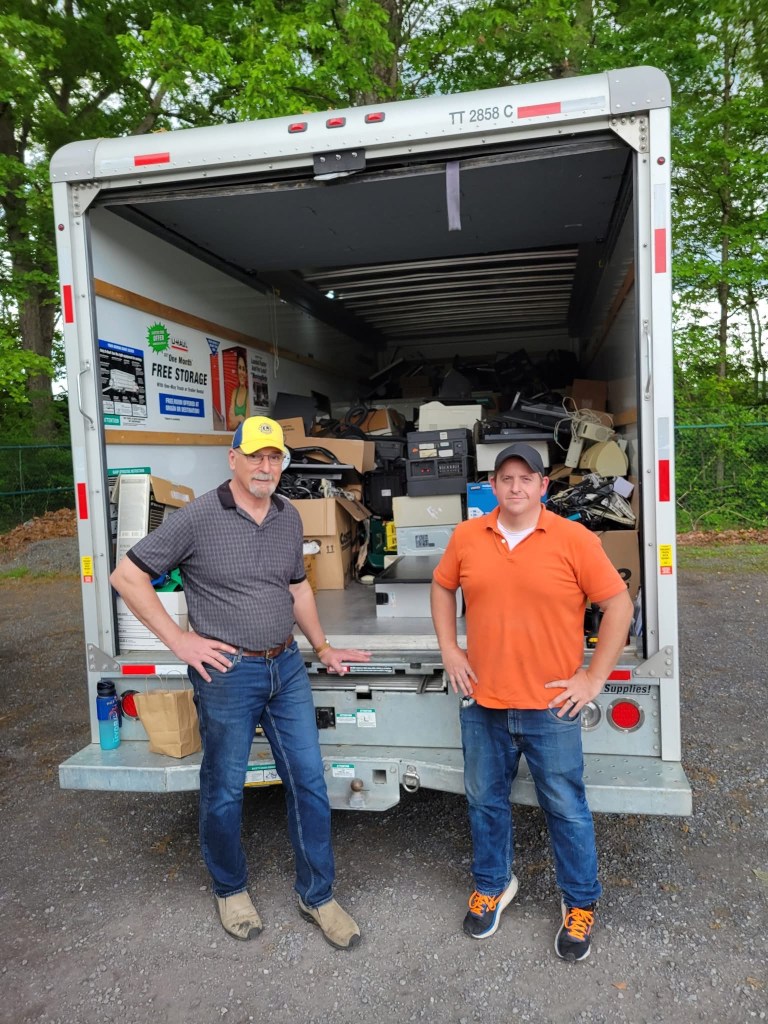
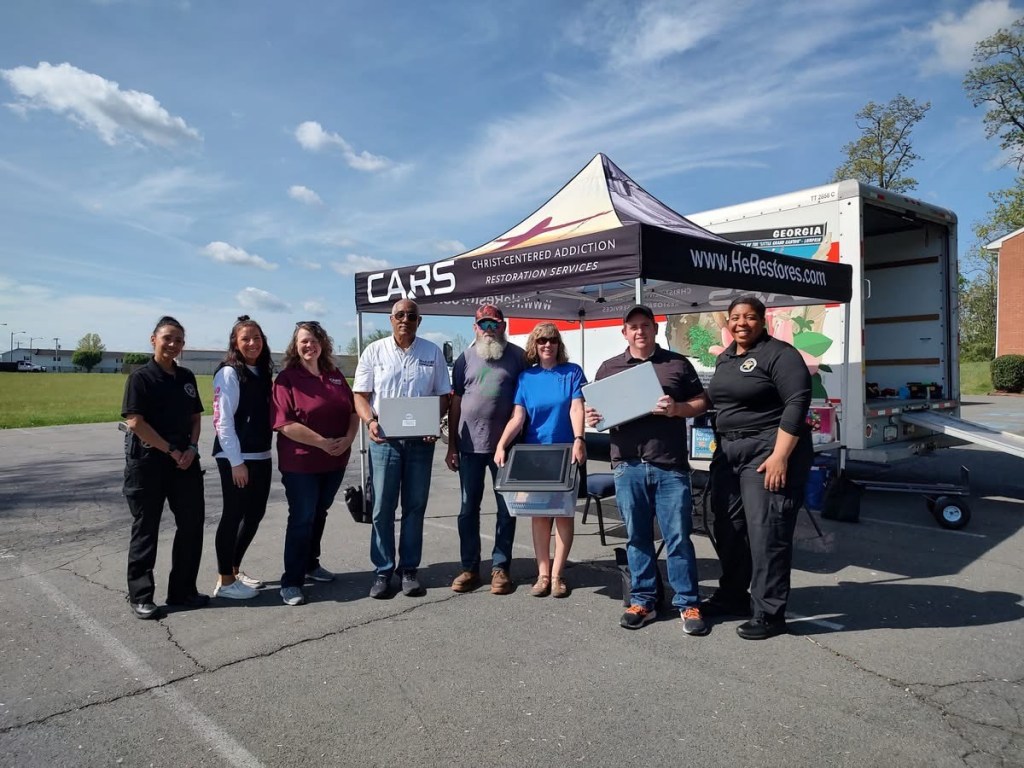
A recycling fundraiser event is a great and easy way to bring a local community together to support a nonprofit organization. Our recycling drives aim at providing a genuine need within the community by the collection of old, broken, unwanted computers and electronics, and in return, donations go for a good cause. Once done, collections are immediately hauled off by our trucks and responsibly recycled at our facility, and the fundraiser’s recipient receives a check within 7-10 business days.
How Does It Work?
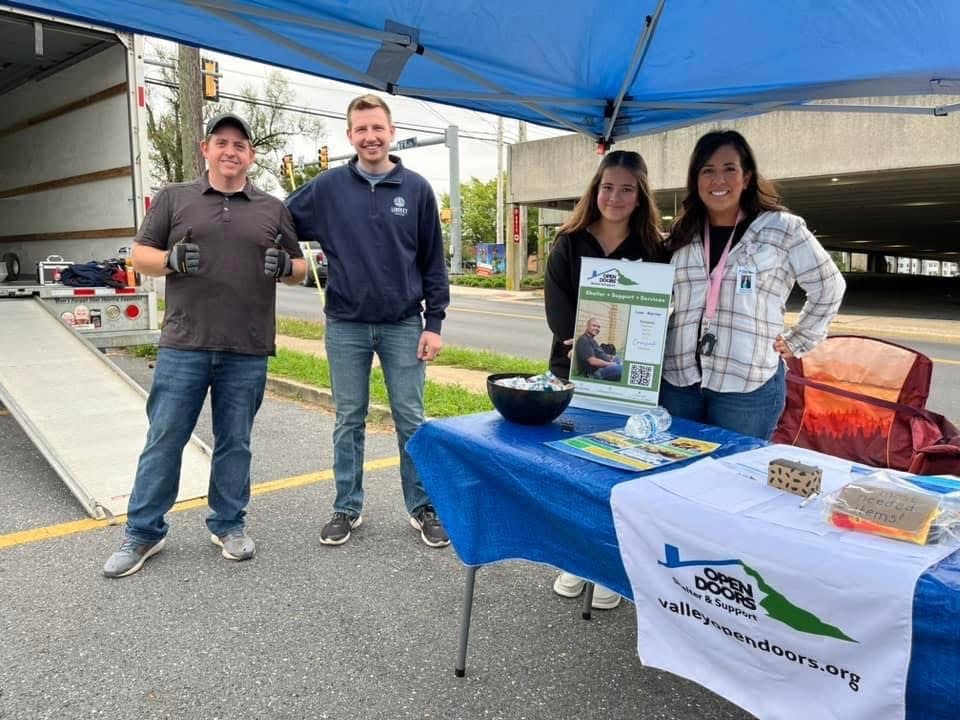
Recycling Drives can be a day event or longer.
- 1 Day Event – a nonprofit with a great deal of support through their community may designate a time frame to have community members bring their old computers and electronics to their location or a location within the community. CCR will have their trucks and staff on hand for collection.
- Drop Off Event- a nonprofit with a less deal of support may feel the best choice would be to designate a drop off area and allow time for their supporters to bring in computers and electronics. The nonprofit will be responsible for storing these items and making sure to not collect items CCR charges for.
- Combination Event – a nonprofit can opt to do a combination of both by allowing their supporters to donate items early up to the day the community recycling event takes place. From experience, this seems to be the best out of the three options.
Why do a Electronics Recycling Fundraiser?
According to the Environmental Protection Agency’s (EPA) own stats, only 29% of the United States e-waste is recycled. Meanwhile, the Virginia’s Department of Environmental Quality does not even include electronics recycling in its 42.5% 2023 stats. Needless to say, there’s a great need in local communities for our services and a great opportunity for nonprofits to benefit in partnering with us.
Also, fundraisers sometimes can feel daunting because the time and volunteers needed to deliver. Our electronics recycling fundraisers are different because we are invested with nonprofits to make it as successful as possible. We provide templates for flyers and support throughout the process. We are hands-on on delivery day accepting, sorting, and weighting donations and helping donors with questions. Our nonprofit partners are responsible in rallying their supporters and getting the word out in the community.
What about Personal Information?
For donors and CCR, this is a serious concern that must be handle with care and understanding. For whatever risk tolerance the donor has, we offer options to alleviate the need:
- Risk Avoidance: This is when a donor opts to keep their information or handle the deletion process themselves.
- Example: a donor, before dropping off their electronics wishes to hold on to their hard drive or information.
- CCR Option: For those wishing to go this route, CCR offers to take out each donor’s hard drive or SIM card and hand it back to them. We strive to ask every customer before donating, ‘Have you taken care of your hard drive or personal information?’ and can provide methods to ensure their information is unrecoverable.
- Risk Transfer: This is when a donor opts to allow CCR to delete or remove their information as a service to them.
- Example: a donor comes with questions or concerns about their computer’s information on its hard drive(s) and wishes to find the best solution to ease their mind.
- CCR Options:
- (Coming Soon) CCR offers to magnetize or degauss the donor’s hard drive or cell phone onsite leaving the electronic device and information unrecoverable.
- CCR offers to do a DOD standard 3-pass wipe on the donor’s hard drive(s) offsite. If the donor wishes to receive a Certificate of Destruction of this action, CCR will provide them a ‘Certificate of Destruction form’ to fill out and charge a small fee for the service. The service will include a professional 3-pass wipe and a picture of the hard drive connected to our docking station with the reading ‘verify complete’ to be emailed to the donor. The hard drive serial number on the ‘Certificate of Destruction form’ will be verified and checked by a technician before completing the service.
- Risk Acceptance: This is when a donor opts to trust the process and accepts the risks of giving CCR their information.
- As stated before, we strive to ask every donor if they have taken care of their information responsibly before donating to us. Some have, some have not, and some think they have.
- We want to caution every donor that if they leave a hard drive with us intentionally or unintentionally, the information on it will be in a short period of time handled either by professional wiping, degaussing, or disassembling/destroying. The last thing we want is to have deleted an old wedding picture or child’s graduation video that has not been backed-up or saved (And yes, it has happened).
How Does A Organization Get Paid?
A non-profit organization will promote the event through its local networks to consumers and small businesses; CCR will do the rest. The materials will be collected and hauled back to our facility and then sorted and weighed. Then, the non-profit should receive a check within 7-10 business days for the “scrap value” of the goods collected. This normally ranges between $350–$850 depending on how well the event is marketed and the turn-out. These are just averages. We have had fundraisers exceed the amount stated above.
How is CCR Different?
Connect Computer Recycling is different in the following ways:
One, we are community focused for community enhancement. We believe electronics not only should be properly recycled but they should help good causes. That is why we partner with local nonprofits in doing recycling fundraisers that bring communities together.
Two, we truly believe reuse is the best form of recycling. We tenaciously research for items that may have a market value and test as well as part out those items we receive to continue its usefulness. Whereas many of the larger companies see how many thousands of pounds they can dump into a shredding machine, we try to sell or donate everything we can out of the items we collect.
 Connect Computer Recycling